




































Kenya Confirms First Imported Ebola Case as Patient Dies in Nairobi
Kenya has confirmed its first imported case of Bundibugyo Ebola Virus Disease after a Kenyan citizen who had travelled from the Democratic Republic of Congo died while receiving treatment in Nairobi. Health authorities have launched contact tracing and enhanced surveillance as the country responds to the first confirmed case amid an ongoing regional outbreak.

Kenya has confirmed its first imported case of Bundibugyo Ebola Virus Disease after a Kenyan citizen who had been living in the Democratic Republic of Congo (DRC) died while receiving treatment in Nairobi.
The confirmation, announced by the Ministry of Health on Tuesday, October 6, 2026, places Kenya among the countries affected by the ongoing Ebola outbreak in eastern DRC and has triggered an intensified contact-tracing and surveillance operation.
According to the Ministry of Health, the patient had been living in the DRC for seven years and fell ill approximately one month before travelling to Kenya. He received treatment at several health facilities in the DRC before travelling by road to Kampala, Uganda, where he boarded a flight to Nairobi.
He arrived at Jomo Kenyatta International Airport on Saturday, October 3, aboard Jambo Jet flight 8523 at approximately 1:10 p.m.
The patient underwent routine public health screening at the airport before leaving the facility. He was later taken to Nairobi Hospital by a relative and a friend after developing symptoms.
The patient tested positive in Nairobi.
At Nairobi Hospital, the patient was isolated and assessed after presenting with symptoms including fever, chills, intense fatigue, weakness, muscle pain, painful swallowing, sore throat, and bleeding under the skin at injection sites.
Samples collected from the patient were independently tested at Kenya's National Virology Reference Laboratory and the Kenya Medical Research Institute (KEMRI), with both laboratories confirming Bundibugyo Ebola Virus Disease.
The patient was placed under supportive treatment but later died.
The Ministry of Health said arrangements were being made for a safe and dignified burial in accordance with Ebola burial protocols.
Health authorities begin contact tracing.
Following the confirmation, Kenyan health authorities moved quickly to identify people who may have been exposed to the patient.
The Ministry has so far identified 28 contacts, including family members and healthcare workers who attended to him.
Authorities are also tracing 23 passengers and four crew members who were aboard the same flight from Uganda to Nairobi. People considered to be at risk are being placed under quarantine and monitored for the recommended period.
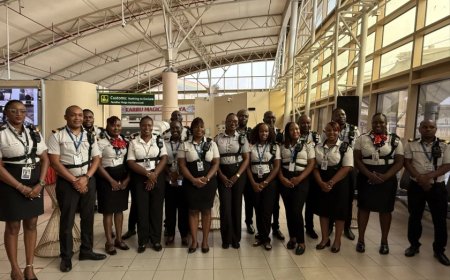
The development has prompted heightened surveillance at Kenya's points of entry as health officials work to determine whether the case resulted in any further transmission.
As of October 6, the Ministry said Kenya had screened 652,584 travelers since the regional Ebola outbreak began in May. A total of 267 samples had been tested across five laboratories, with the latest case being the only positive result recorded in the country at that time.
Kenya had been preparing for the threat.
The confirmation comes after months of heightened preparedness by Kenyan health authorities following the outbreak in the DRC.
The Ministry said 4,971 health workers at national and sub-national levels had received training in Ebola prevention and management.
Kenya had also strengthened laboratory capacity, surveillance systems, and border screening as the disease spread across the region.
The latest case has now tested those preparedness measures, particularly because the patient travelled through multiple countries before being diagnosed in Nairobi.
Africa CDC has also moved to support Kenya's response, while the World Health Organization has been notified in accordance with international health regulations.
What is Bundibugyo Ebola?
The Bundibugyo virus is one of the viruses that can cause Ebola disease. The current outbreak in the DRC is being driven by this relatively rare strain.
Unlike Ebola virus disease caused by the Zaire ebolavirus, for which licensed vaccines and specific treatments are available, there is currently no licensed vaccine or specific approved treatment for Bundibugyo virus disease. Clinical research into potential vaccines and treatments is ongoing.
Ebola is primarily transmitted through direct contact with the blood or other bodily fluids of an infected person, particularly after symptoms have developed. The bodies of people who die from the disease can also remain highly infectious.
This makes infection prevention, safe burial practices, early detection, and contact tracing central to containing outbreaks.
A regional health concern
Kenya's first confirmed case comes against the backdrop of a rapidly expanding Ebola outbreak in the DRC.
The outbreak was declared in May 2026 and has become the country's largest Ebola outbreak on record. More than 8,000 confirmed cases and more than 4,000 deaths have been reported, according to recent reporting, making the outbreak a major regional public health concern.
Uganda, which shares a border and significant travel links with the DRC, also experienced an Ebola outbreak earlier this year. The country reported 20 cases and two deaths before being declared Ebola-free in August.
The movement of people between the DRC, Uganda and Kenya demonstrates the difficulty of containing infectious diseases in a highly connected region.
Kenyans urged not to panic.
Despite the confirmation of the country's first case, health authorities have urged the public to remain calm and rely on verified information.
Health Cabinet Secretary Aden Duale said systems were in place to respond to the outbreak and encouraged Kenyans to maintain good hygiene practices, including regular handwashing or the use of alcohol-based hand sanitizer.
The Ministry has also advised members of the public to avoid close contact with people who are sick and arriving from countries experiencing active Ebola transmission and to seek medical attention at a recognized health facility if they develop concerning symptoms.
Healthcare workers have been urged to maintain strict infection-prevention and control measures while treating patients.
What happens next?
For Kenya, the immediate priority is determining whether the imported case has resulted in any secondary infections.
Health authorities will continue monitoring identified contacts, tracing passengers and crew members from the patient's flight, and strengthening surveillance at border points and health facilities.
The next 21 days will be particularly important for monitoring people who may have been exposed, as Ebola's incubation period can extend to 21 days.
For the public, health officials say the priority is vigilance rather than panic.
Kenya's first confirmed case is a reminder that infectious diseases do not stop at national borders. It also underscores the importance of early detection, strong health systems, trained healthcare workers, and cooperation between neighboring countries.
As Kenya begins managing its first imported Ebola case, the effectiveness of its response will depend not only on the health authorities but also on public cooperation, accurate information, and the willingness of people who may have been exposed to report symptoms and seek medical care promptly.
What's Your Reaction?
 Like
0
 Dislike
0
 Love
0
 Funny
0
 Angry
0
 Sad
0
 Wow
0